In a world where children are increasingly struggling to regulate their emotions, process experiences, and engage in traditional learning environments, one simple tool is proving to be incredibly powerful:
LEGO.
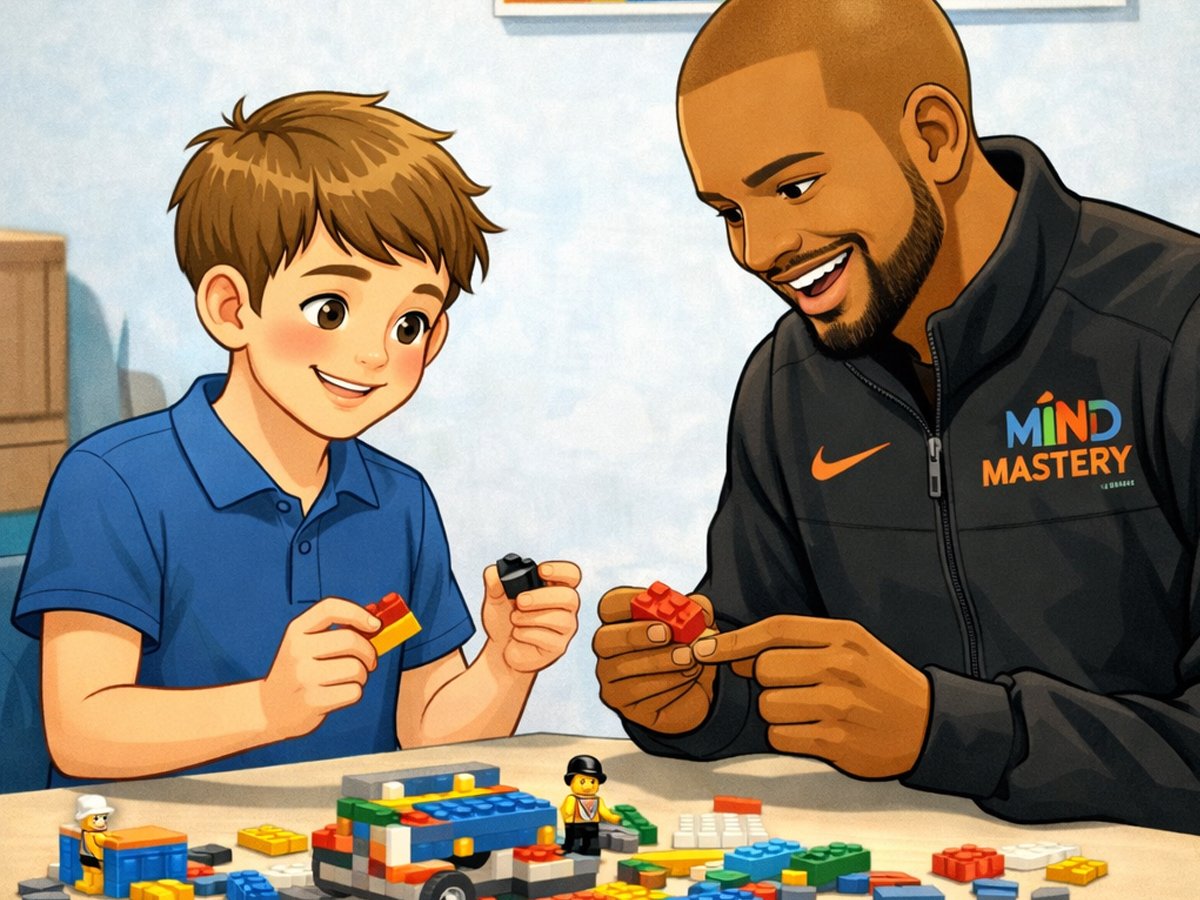
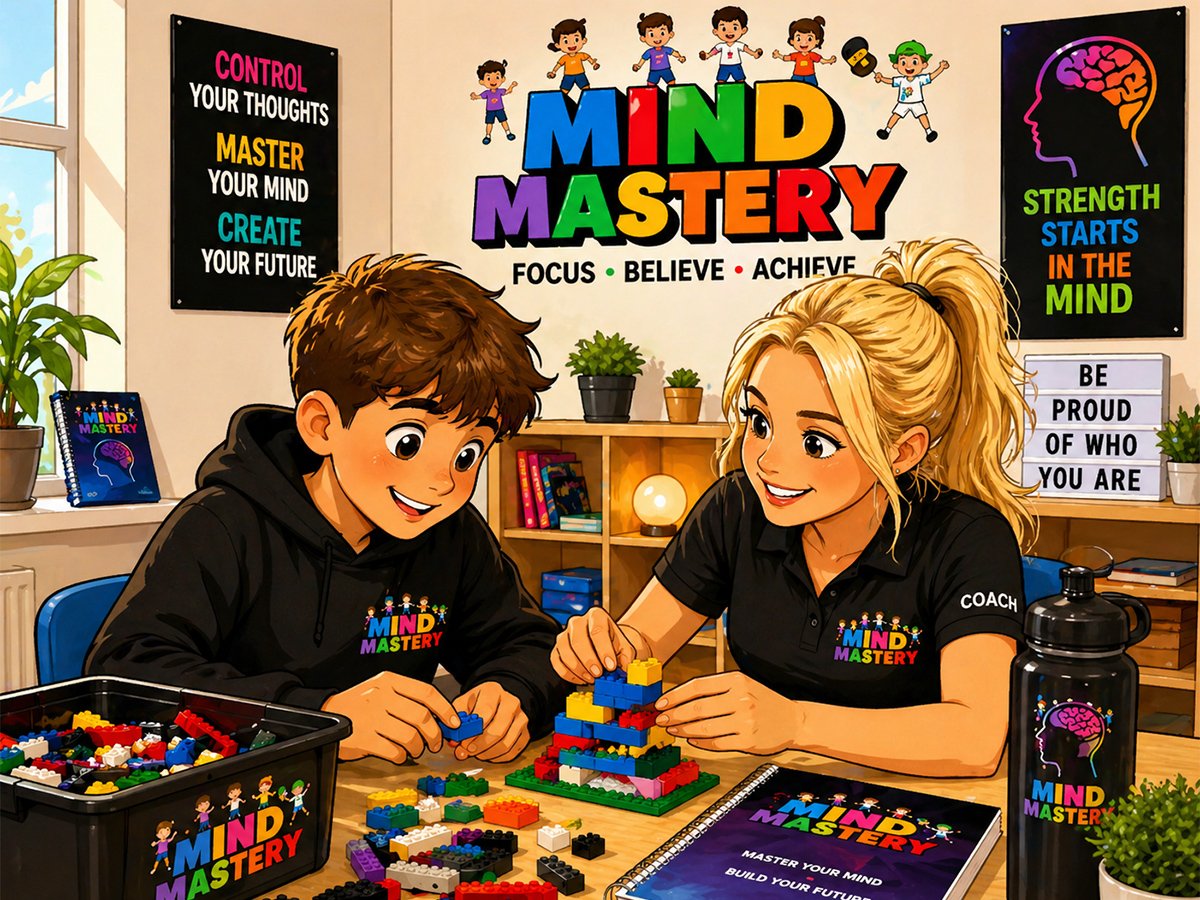
At Mind Mastery, we are proud to introduce our LEGO-based Mindset Interventions, a hands-on, engaging approach that helps children build not just structures, but resilience, confidence, and emotional understanding.
Because sometimes, the smallest bricks can build the strongest minds.
Why LEGO?
For children with trauma experiences or SEND needs, learning can feel overwhelming.
Language can be difficult.
Emotions can feel confusing.
The classroom can feel unsafe.
LEGO removes that pressure.
It provides a safe, structured, creative and predictable environment where children can express themselves without fear of being wrong. Through play, they begin to engage. Through engagement, they begin to learn.
Learning Without Pressure
One of the biggest challenges in trauma and SEND interventions is reducing overwhelm. LEGO naturally creates a calming, focused state.
As children build, they:
- slow down their thinking
- increase concentration
- enter a state of flow
- feel a sense of control
This is critical for children whose brains are often in a heightened state of alert. Before we can teach the mind, we must calm it.
Building Emotional Regulation
Every LEGO session is an opportunity to develop emotional regulation.
Through guided activities, children learn to:
- manage frustration when things don’t go to plan
- develop patience and persistence
- recognise and regulate emotional responses
- experience success through effort
When a structure falls apart, we don’t just rebuild it. We explore the feeling behind it. This is where real learning happens.
Understanding Trauma Through Play
Children don’t always have the words to explain what they’ve been through. But they can show you.
LEGO provides a powerful outlet for:
- storytelling
- symbolic expression
- processing experiences
Through carefully structured sessions, children can build their world, recreate experiences safely, explore emotions indirectly and gain understanding without pressure.
This aligns with trauma-informed practice allowing children to process without re-triggering.
From Chaos to Control
For many children with SEND needs, the world can feel unpredictable.
LEGO introduces:
- structure
- sequence
- organisation
Children learn to:
- follow steps
- plan ahead
- problem-solve
- adapt when things change
These are essential executive functioning skills that transfer directly into the classroom and everyday life.
Building Confidence, Brick by Brick
Success matters.
Many children in intervention settings have experienced repeated failure. LEGO changes that.
Every completed build provides a sense of achievement, visible progress and immediate reward.
This helps children to:
- rebuild self-belief
- develop a growth mindset
- feel capable again
Confidence is not taught. It is built through experience.
Social Skills Through Shared Play, LEGO is not just an individual activity. It is a powerful social tool.
In group settings, children learn to:
- communicate ideas
- take turns
- collaborate
- respect others’ perspectives
For children who struggle socially, this provides a natural and safe way to connect with others. No pressure. No forced interaction. Just shared experience.
Engagement That Lasts
Children engage with what they enjoy. LEGO captures attention instantly.
This allows us to layer in deeper learning around thoughts and emotions, identity and self-worth and choices and behaviours.
The activity opens the door. The curriculum creates the change.
Real Tools for Real Change
This is not just play. It is purposeful, structured intervention designed to:
- support emotional regulation
- develop cognitive skills
- build resilience
- improve engagement in education
Children leave sessions with more than a model. They leave with tools they can use in real life.
The Impact
Our LEGO-based interventions help children to feel calmer and more in control, improve focus and attention, develop problem-solving skills, build confidence and self-esteem and engage more positively in school.
These outcomes create lasting change; not just in the session, but beyond it.
The Launch
Our LEGO Mindset Interventions represent a new approach to supporting children with trauma and SEND. They combine play, psychology, emotional intelligence and structured learning.
This is not about keeping children busy. This is about helping them rebuild themselves.
Final Thought
Every child deserves the chance to feel capable.
Every child deserves to feel understood.
And sometimes, all it takes is a small brick…
to start building something bigger.